
Premature ejaculation is one of the most common sexual concerns, but it is rarely discussed openly. With the right understanding, counselling, and treatment, it can be managed effectively.

Confidential Care

If you have ever finished sooner than you wanted and immediately felt embarrassed, awkward, or as though you had disappointed your partner, you are far from alone.
Premature ejaculation, also called PME, is one of the most common sexual concerns. It can often improve with proper guidance, counselling, lifestyle changes, and medical support when required.
Occasional early ejaculation can happen because of excitement, a long gap, stress, or an off day. It becomes a concern when it happens consistently and causes distress or dissatisfaction.
In simple terms, PME is when ejaculation happens very soon after penetration, earlier than either partner wants, and the experience feels incomplete or unsatisfying.
Occasional early ejaculation can be normal. Excitement, a long gap since the previous sexual experience, or temporary stress can cause it from time to time. That alone does not mean you have PME.
It becomes a persistent concern when it happens on most occasions, continues over time, and causes meaningful distress or dissatisfaction for you or your partner.
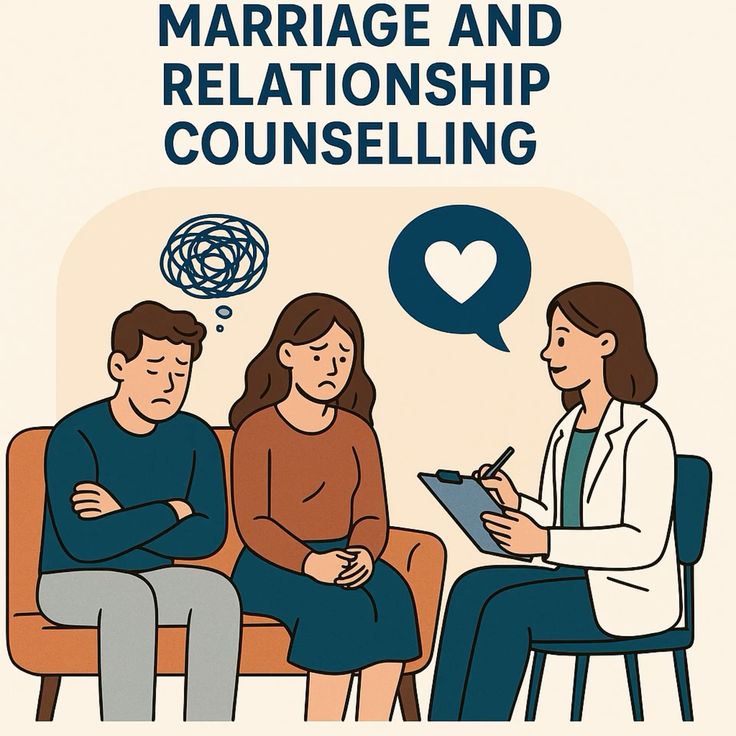
The frustration may not remain limited to the bedroom. It can sometimes create tension, arguments, emotional distance, and pressure within a marriage or relationship.
Premature ejaculation is not the same in every person. Understanding the pattern helps a specialist choose a more suitable treatment approach.
This pattern is present from the earliest sexual experiences, with ejaculation usually occurring very quickly after penetration. Biological, genetic, or neurological factors may contribute.
Control was previously satisfactory but changed later. Stress, relationship changes, long sexual gaps, performance anxiety, or an underlying medical concern may contribute.
The actual timing may be within a typical range, but the person still feels it is insufficient. Unrealistic expectations or performance pressure often contribute.
Early ejaculation happens occasionally, with particular situations or partners, but not consistently. This is often a normal variation related to excitement, fatigue, arousal, or circumstances.
The cause can vary according to age, sexual experience, relationship history, anxiety, medical background, and the pattern of PME.
Increased sensitivity of the penis
Excessive excitement or overstimulation
Fear of failure or not lasting long enough
Anxiety about meeting a partner’s expectations
Long gaps between sexual experiences
Limited sexual education or unrealistic comparisons
PME can sometimes be associated with physical or medical factors. A consultation can help determine whether another health condition is contributing.
Anxiety and PME can reinforce each other. Worrying about ejaculating too quickly may itself increase tension and make early ejaculation more likely.
In some men, similar anxiety may also appear outside sexual situations as restlessness, racing thoughts, health-related worry, panic-like feelings, or a constant sense of being rushed.
In some cases, there is no obvious psychological trigger or medical condition. When PME has been present since the earliest sexual experiences, it may be a lifelong pattern.
Research suggests that brain chemistry, including serotonin signalling, may influence ejaculatory timing. This mechanism is increasingly understood and may respond to appropriate medical treatment.
PME often responds well to proper counselling and treatment. Improvement may support sexual confidence, relationship comfort, and overall satisfaction.
Structured exercises can gradually improve awareness, control, and confidence over time.
This can address performance anxiety, pressure, fear, and unhelpful thought patterns related to sexual activity.
Couples therapy can improve communication, reduce pressure, and help both partners understand and manage the concern together.
Individual therapy may help when confidence difficulties, earlier experiences, or general anxiety are contributing factors.
Medication may be useful in selected cases, particularly lifelong PME, and is usually combined with counselling or behavioural guidance.
As improvement develops, many patients maintain progress through learned habits, better communication, and treatment guidance.
If this concern feels familiar, speak with a qualified specialist. Your sexual health and relationship deserve professional support rather than silence.