01
Fear Before Penetration
The anticipation of penetration may trigger anxiety before any physical attempt has even begun.

Vaginismus can make vaginal penetration painful, extremely difficult, or even impossible. It is an involuntary fear response—not a personal failure—and it can be treated with the right professional support.
Private and non-judgmental consultation
Couple-inclusive treatment approach
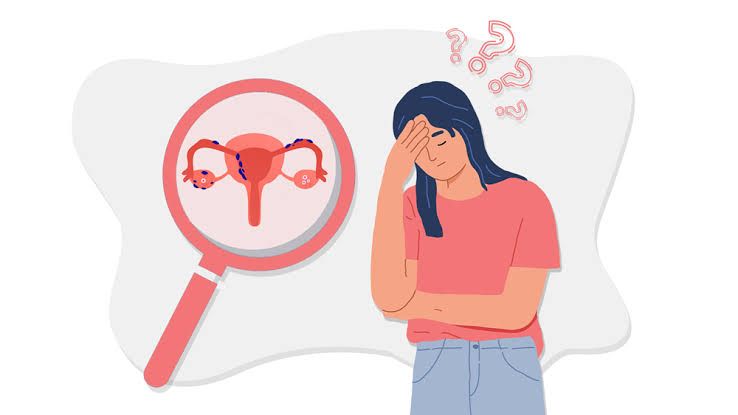
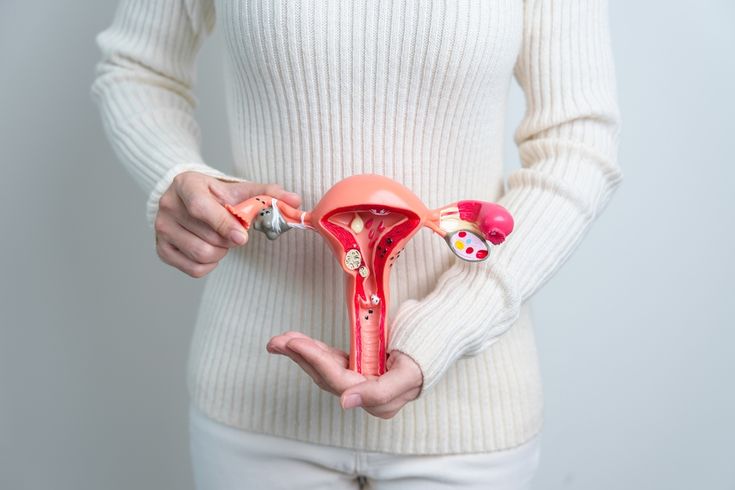
Some marriages appear perfect from the outside. The couple may seem happy, whether they live in a joint family or independently. However, behind closed doors, many couples experience significant dissatisfaction in their sexual relationship.
One of the most common yet least-talked-about reasons is vaginismus.
Vaginismus is a condition in which the muscles surrounding the vagina involuntarily tighten during vaginal penetration. This can make sexual intercourse painful, extremely difficult, or even impossible.
During attempts at penetration, many women instinctively close their legs or avoid intercourse. This avoidance and vaginal tightness are often driven by deep-seated fear and anxiety rather than an obvious physical problem.
A woman may enjoy affection, intimacy, and foreplay without difficulty. However, when penetration is attempted, overwhelming fear and involuntary muscle tightening may occur. Her mind may want it to work, while her body reacts as though it is under threat.
Vaginismus can be understood as a specific type of phobic response. The fear is genuine, involuntary, and treatable.
The anticipation of penetration may trigger anxiety before any physical attempt has even begun.
The muscles surrounding the vagina tighten automatically. This is not something the woman deliberately chooses to do.
Painful or unsuccessful attempts may increase fear and cause the couple to avoid future attempts.
Fear creates tension, tension causes pain, and pain strengthens the fear—creating a cycle that may continue without treatment.
Just as some people experience intense fear of heights, water, injections, animals, public speaking, or social situations, women with vaginismus may experience profound fear associated with vaginal penetration and intercourse.
In many cases, the roots of vaginismus begin during adolescence. From the teenage years until marriage, many women receive little or no accurate education about sexuality.
This lack of knowledge can lead to misconceptions, anxiety, and fear surrounding sexual intercourse. When sexual activity is expected after marriage, these fears may become overwhelming.
Limited or inaccurate sexual education
Fear that intercourse will be extremely painful
Anxiety about the unknown after marriage
Cultural taboos or negative messages about sexuality
Previous painful or distressing experiences
Fear related to childhood physical or sexual abuse in some cases
A history of childhood abuse is only one possible contributor among many. It is not present in every case, and having vaginismus does not imply anything about a woman’s past.
Many women interpret the difficulty in harsh, personal terms. They may feel that they are failing their partner, losing control over their body, or are somehow incapable.
In reality, vaginismus is an involuntary and treatable response. It does not mean the woman is unwilling, uncaring, or responsible for the difficulty.
Vaginismus affects the couple as a whole. Both partners may experience guilt, frustration, sadness, and confusion.
During intercourse attempts, the wife may visibly experience pain, fear, and involuntary tightening.
Seeing his partner in distress, the husband may feel that he is causing pain and may stop attempting intercourse.
After repeated unsuccessful experiences, both partners may begin avoiding intercourse and emotional discussions about it.
Questions about pregnancy or children after a few years of marriage may increase the couple’s emotional burden.
Some couples consult a gynaecologist expecting an immediate solution. However, vaginal examinations may themselves be highly distressing for a woman with vaginismus.
Once vaginismus is identified, recovery usually requires patience, psychological support, education, and gradual therapy rather than a quick medical procedure.
The partner’s response can either strengthen the fear or help create the emotional safety needed for recovery.
Irritation, blame, pressure, criticism, or repeated demands usually increase fear, emotional distress, and dissatisfaction for both partners.
Completely avoiding intimacy to protect the woman may sound helpful, but it can unintentionally reinforce the fear and make future progress more difficult.
Patience, warmth, reassurance, and working through treatment together without pressure are linked with better emotional coping and improved outcomes.
Yes. Vaginismus is a highly treatable condition. Treatment focuses on gradually reducing the fear and anxiety associated with penetration.
Correcting myths and explaining the body’s response can reduce fear caused by misinformation or uncertainty.
Therapy helps identify fears, anxious thoughts, shame, and emotional concerns associated with penetration.
Carefully planned exercises help the woman become physically and emotionally comfortable at her own pace.
Relaxation methods and better awareness of pelvic muscle tension can help interrupt the fear-and-tightening cycle.
Both partners learn how to communicate, reduce pressure, rebuild intimacy, and support progress together.
When required, psychological care may be coordinated with gynaecological or other professional medical support.
Some women feel discouraged by the idea of a longer therapeutic process and consider alternatives such as IVF or other fertility treatments.
These approaches may help with conception in suitable cases, but they do not address the underlying fear, anxiety, avoidance, or sexual difficulty caused by vaginismus.
With appropriate psychological support, accurate education, gradual therapy, couple participation, and multidisciplinary care where required, most women can successfully overcome vaginismus.