01
Very Little Interest
Little or no interest in sexual activity, sexual thoughts, or fantasies over an extended period.

A quiet reduction in sexual interest does not mean you are broken, no longer love your partner, or have to accept things as they are. Low sexual desire is common, understandable, and treatable.
Private and non-judgmental guidance
Medical, emotional and relationship assessment
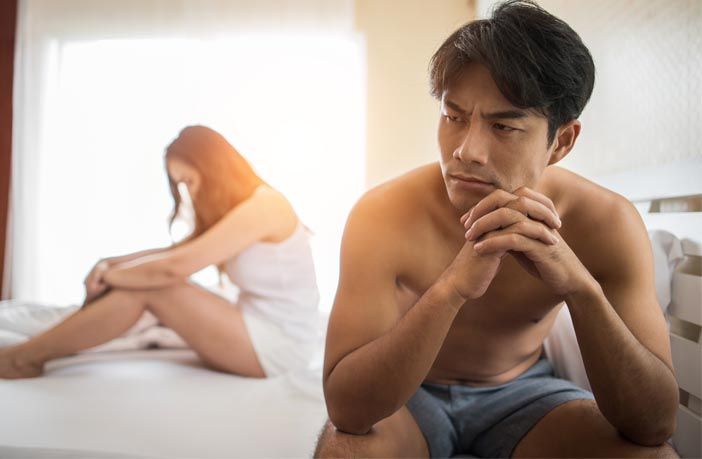
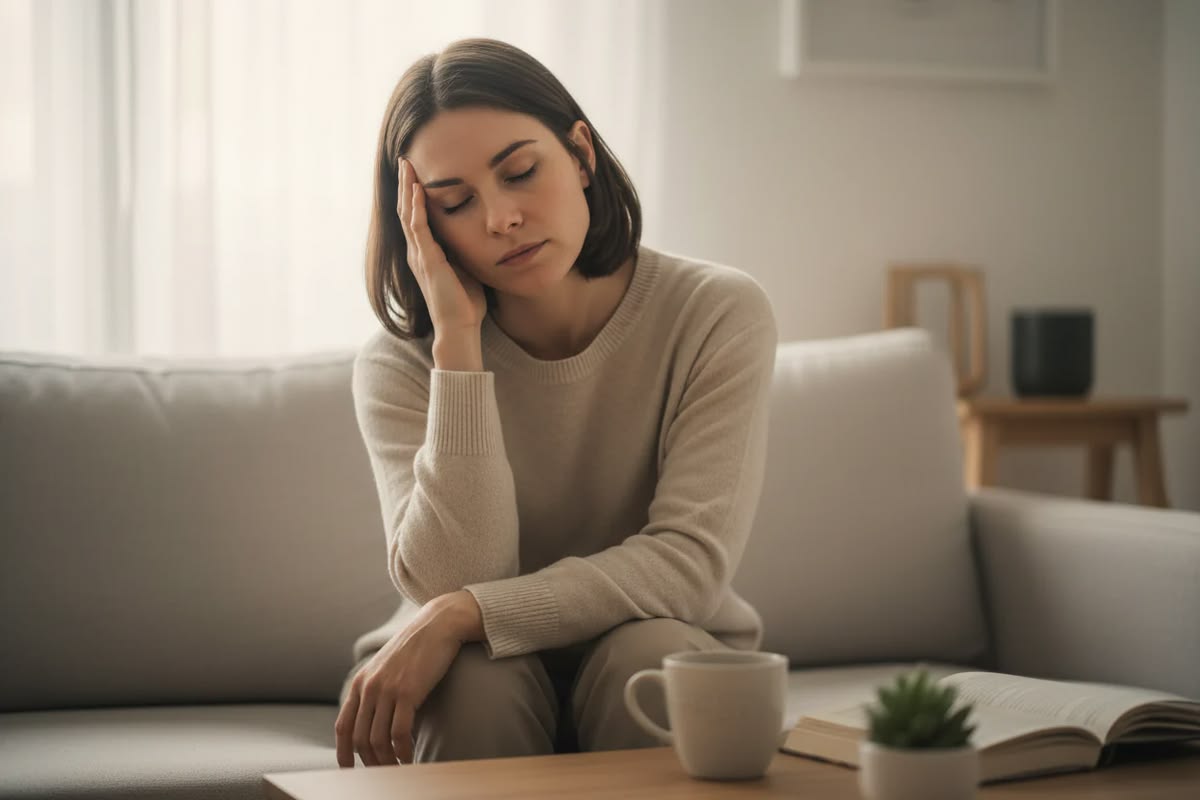
You may love your partner and feel that nothing is obviously wrong, yet notice that your interest in intimacy has quietly faded.
Low sexual desire is one of the most common concerns women experience, although it is rarely discussed openly because of embarrassment, confusion, social expectations, or guilt.
It does not automatically mean you have stopped loving your partner. Desire can be affected by physical health, hormones, stress, emotional exhaustion, relationship experiences, and major changes in daily life.
A naturally lower level of desire is not necessarily a problem. It becomes worth addressing when it causes distress, confusion, guilt, relationship tension, or a feeling that you have lost an important part of yourself.
It is not simply about not being in the mood occasionally. It usually appears as a continuing pattern over a longer period.
Little or no interest in sexual activity, sexual thoughts, or fantasies over an extended period.
Rarely initiating sexual intimacy, even when your partner regularly tries to create closeness.
Not feeling excitement, interest, or pleasure during intimacy most of the time.
Things that previously created arousal or desire may no longer have the same effect.
Intimate touch may feel less stimulating, less emotionally engaging, or physically less pleasurable.
The change causes genuine concern, guilt, frustration, confusion, relationship difficulty, or loss of confidence.
Some women naturally experience lower desire and feel completely comfortable with it. Professional support may be useful when the difference between how you feel and how you want to feel causes personal or relationship distress.
Low desire is rarely caused by one single factor. It often develops through a combination of physical, emotional, lifestyle, and relationship influences.
Hormonal conditions, thyroid problems, diabetes, low androgen levels, pain during intercourse, smoking, and certain medicines can quietly reduce sexual interest.
Stress, tiredness, lack of time or privacy, childbirth, pregnancy worries, family responsibilities, or major life changes can gradually reduce desire.
Emotional exhaustion may first appear as reduced sexual interest, even before the woman recognises how anxious, overwhelmed, or disconnected she feels.
Emotional connection, unresolved frustration, communication patterns, and the length and quality of the relationship can strongly influence desire.
Sexual desire commonly appears in two different ways. Both patterns can be completely normal.
This is the feeling of wanting intimacy without any obvious build-up. It may appear suddenly or “out of nowhere.”
Spontaneous desire is often more noticeable during the early stages of a relationship, when novelty and excitement are stronger.
Responsive desire appears after affection, emotional connection, touch, conversation, or intimacy has already started.
Many women and long-term couples experience this pattern. It is just as valid as spontaneous desire.
One partner wanting intimacy more often does not automatically mean something is wrong. Couples often need to understand each other’s pattern and create their own comfortable rhythm rather than comparing themselves with an imagined universal normal.

A woman’s sexual desire can be deeply connected to how emotionally supported, protected, valued, and respected she feels in everyday life, not only during intimacy.
This can be especially important in households where family expectations, domestic responsibilities, lack of privacy, and relationship boundaries influence daily emotional wellbeing.
A woman may repeatedly feel dismissed or unsupported by her partner. He may remain silent when family members treat her unfairly, fail to notice when she is overworked, or avoid standing up for her when she feels disrespected.
Over time, resentment, loneliness, and emotional distance may build. Desire can gradually fade—not because something is wrong with her body, but because physical intimacy becomes difficult when emotional safety is missing.
Low desire is not always “her issue” to fix alone. In some cases, improving emotional connection and relationship support is an important part of treatment.
Low desire does not always announce itself clearly. It can appear through small behaviours that gradually become a regular pattern.
Going to bed earlier or later than your partner, sometimes without consciously understanding the reason.
Regularly mentioning tiredness, headaches, stress, or other reasons to avoid possible intimacy.
Pulling away from cuddling, touching, or closeness because it may be interpreted as an invitation for sex.
Occasionally agreeing to intimacy mainly to avoid disappointing or upsetting your partner rather than from genuine interest.
These behaviours do not necessarily mean you have been intentionally dishonest or avoidant. They may be quiet, self-protective responses that develop before either partner understands what is happening.
Treatment begins by identifying the real contributing factors rather than assuming reduced desire is simply something you must accept.
A professional assessment can identify hormonal conditions, medication effects, pain, diabetes, thyroid concerns, or other physical factors.
Therapy can help with anxiety, body image concerns, low confidence, negative experiences, stress, and emotional exhaustion.
Couples can improve communication, emotional safety, affection, expectations, and their understanding of different desire patterns.
Better sleep, stress management, personal time, exercise, privacy, and reduced exhaustion may help restore physical and emotional energy.
Painful intercourse, fear of discomfort, or reduced physical sensation should be properly evaluated rather than ignored.
Treatment may combine medical care, counselling, relationship work, education, and lifestyle support depending on your individual needs.
Not true. Desire changes because of health, tiredness, stress, hormones, emotional wellbeing, and relationship experiences. These changes do not automatically reflect how much you love your partner.
Often false. Attraction and immediate sexual desire are not the same. You may still love and feel attracted to your partner while struggling with low energy, stress, pain, anxiety, or emotional disconnection.
Also false. Low sexual desire frequently improves when the medical, psychological, lifestyle, or relationship factors behind it are properly identified and addressed.
Seeking help does not make you needy, dramatic, or inadequate. Understanding what changed and receiving the right support can help you rebuild confidence, closeness, and a satisfying intimate life.